
Essential details
Shipping:Express Delivery
Product Introduction
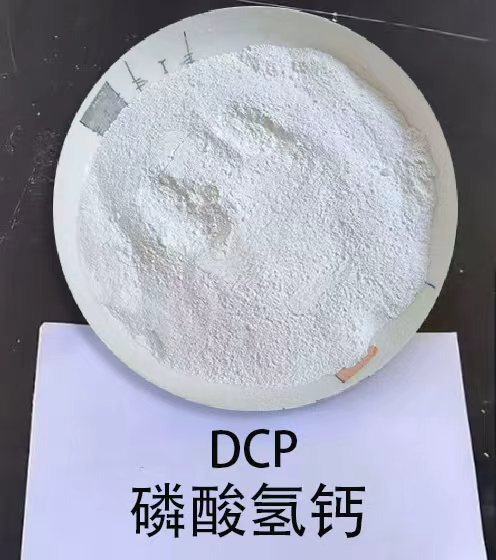
The chemical formula for feed-grade dicalcium phosphate (DCP) is typically represented as CaHPO₄ or CaHPO₄·2H₂O (dihydrate). It is a widely used phosphorus and calcium supplement feed additive in livestock, poultry, and aquaculture, with its core function being to provide essential phosphorus and calcium elements for animal growth.
core function
Supplement phosphorus to ensure energy metabolism and skeletal development.
Phosphorus is an essential component of ATP (adenosine triphosphate), phospholipids in cell membranes, and nucleic acids in animals, directly participating in energy transfer, cell division, and genetic material synthesis.
Feed-grade DCP has a stable phosphorus content (about 23% for anhydrous form and about 18% for dihydrate form), and the phosphorus has a high bioavailability, which can effectively prevent issues such as growth retardation, decreased reproductive performance, and fragile bones caused by phosphorus deficiency in animals.
Supplement calcium to synergistically maintain bone and body functions
The calcium content of DCP is approximately 20%–29%. Calcium is the main component of animal bones and teeth, and it also participates in physiological processes such as nerve conduction, muscle contraction, and blood coagulation.
Its calcium-phosphorus ratio is close to the requirements of the animal body (about 1.2:1), and it can work synergistically with phosphorus to promote the deposition of calcium and phosphorus in bones, reducing the occurrence of rickets (in young animals) and osteoporosis (in adult animals).
Improve feed palatability and processing performance
Feed-grade DCP is a white crystal or powder with stable properties and no off-odors, which will not affect the palatability of feed. At the same time, it has good fluidity and is not prone to caking during feed processing, allowing it to be evenly dispersed in compound feed and ensuring the balance of nutrients.
Applicable breeding scenarios.
Livestock and poultry breeding: chickens, ducks, geese, pigs, cattle, sheep, etc., especially suitable for young livestock and poultry and high-yielding livestock and poultry (such as laying hens and lactating cows), which can improve the egg-laying rate, eggshell strength, and milk yield.
Aquaculture: Aquatic animals such as fish, shrimp, and crab can promote carapace hardening and bone growth, reducing the malformation rate of aquatic animals.
core function
Supplement phosphorus to ensure energy metabolism and skeletal development.
Phosphorus is an essential component of ATP (adenosine triphosphate), phospholipids in cell membranes, and nucleic acids in animals, directly participating in energy transfer, cell division, and genetic material synthesis.
Feed-grade DCP has a stable phosphorus content (about 23% for anhydrous form and about 18% for dihydrate form), and the phosphorus has a high bioavailability, which can effectively prevent issues such as growth retardation, decreased reproductive performance, and fragile bones caused by phosphorus deficiency in animals.
Supplement calcium to synergistically maintain bone and body functions
The calcium content of DCP is approximately 20%–29%. Calcium is the main component of animal bones and teeth, and it also participates in physiological processes such as nerve conduction, muscle contraction, and blood coagulation.
Its calcium-phosphorus ratio is close to the requirements of the animal body (about 1.2:1), and it can work synergistically with phosphorus to promote the deposition of calcium and phosphorus in bones, reducing the occurrence of rickets (in young animals) and osteoporosis (in adult animals).
Improve feed palatability and processing performance
Feed-grade DCP is a white crystal or powder with stable properties and no off-odors, which will not affect the palatability of feed. At the same time, it has good fluidity and is not prone to caking during feed processing, allowing it to be evenly dispersed in compound feed and ensuring the balance of nutrients.
Applicable breeding scenarios.
Livestock and poultry breeding: chickens, ducks, geese, pigs, cattle, sheep, etc., especially suitable for young livestock and poultry and high-yielding livestock and poultry (such as laying hens and lactating cows), which can improve the egg-laying rate, eggshell strength, and milk yield.
Aquaculture: Aquatic animals such as fish, shrimp, and crab can promote carapace hardening and bone growth, reducing the malformation rate of aquatic animals.
